
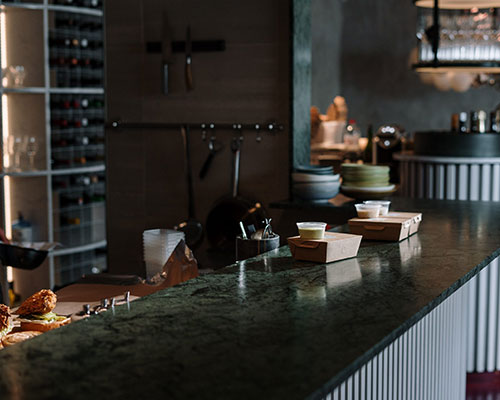

Every homeowner hit that moment. Standing in a showroom, running a hand across a beautiful quartz slab, doing the silent budget calculation. Worth it? Not worth it? The price tag stings a little. That’s fair.
But here’s the thing. “Expensive” and “not worth it” are genuinely not the same thing. The real question isn’t what quartz countertops cost today. It’s what they save you over the next two decades.
What Exactly Is Quartz?
Not everyone knows this, but quartz isn’t fully natural. It’s engineered, built from roughly 90 to 95 percent natural quartz crystals mixed with resins and pigments. That process creates a surface that’s dense, non-porous, and visually consistent in a way that purely natural stones simply can’t match.
Granite is beautiful, genuinely. But every slab looks different because nature does what it wants. Sometimes that variation is a selling point. Other times, it’s a headache when you’re trying to match a specific design.
Marble has that timeless, classic appeal, though it scratches. Stains. Needs regular sealing. Quartz largely avoids all of that, which matters more than people realize until they actually own a marble countertop for three years.
The Real Benefits of Quartz Countertops
Performance is where Quartz genuinely earns its price. Not just the look, though the look is very good.
• Non-porous surface – Bacteria, mold, and moisture have nowhere to go. A real advantage in kitchens where spills happen constantly.
• Zero sealing required – Wipe it down and move on. That’s genuinely the entire maintenance routine.
• Scratch and chip resistance – Tougher than most natural stones, though not completely indestructible. Worth keeping that in mind.
• Consistent color and pattern – What you pick in the showroom is exactly what ends up in your kitchen. No surprises.
• Lifespan of 25 years or more – A properly installed quartz countertop can outlast multiple kitchen renovations.
• Stain resistance – Coffee, red wine, cooking oils. Quartz handles the everyday punishment without holding a grudge.
Families with kids especially notice the difference. Busy kitchens need surfaces that work, not surfaces that need babying.
Where Quartz Has Its Limits
Honesty first. Quartz countertops have a few genuine weaknesses worth knowing.
• Heat sensitivity – The resin component doesn’t love direct heat. Hot pans go on trivets, not directly on the surface.
• Not for outdoors – UV exposure yellows and fades quartz over time. Strictly an indoor material.
• Higher upfront cost – Sits above laminate and certain granite options in price. That’s just the reality.
None of these is a dealbreaker for most homeowners. But knowing them up front prevents disappointment later.
Does Quartz Actually Hold Its Value?
Short-Term Cost vs. Long-Term Return
The upfront number is real. Higher than laminate, higher than tile. Stretch that same number across ten or fifteen years, though, and the calculation changes. No resealing appointments. Minimal repairs. Quartz countertops consistently rank among the features homebuyers actively look for, which translates to genuine resale value.
The Hidden Cost of Going Cheaper
A laminate surface replaced every eight to ten years doesn’t save money in the long run. Factor in the replacement cost, installation labor, and disruption each time, and a quartz surface holding strong for 25-plus years is the more economical choice. Not in year one. But in year twelve, definitely.
Four Questions to Ask Before You Buy
1. How much daily use will this surface handle? High-traffic kitchens are where quartz makes the most sense.
2. What’s the design direction? Quartz offers more color and pattern options than most natural stones.
3. Planning to sell the home eventually? Quartz adds real, measurable resale appeal.
4. Is low maintenance a priority? Honestly, that’s the strongest case for quartz right there.
The selection process matters, too. Mayan Stonecrafters walks clients through every step, from picking the right material to precise, professional installation, making sure the final result actually matches what was envisioned from the start.
A Solid Investment That Pays for Itself
Quartz countertops aren’t a passing trend. They’re durable, practical, low-maintenance, and genuinely attractive for the long term. The upfront cost is real, and nobody should pretend otherwise.
For a surface that looks sharp, requires almost no upkeep, and holds up through years of daily kitchen life, the value is there. Clearly.
Comments