

Quartz countertops look incredible on day one. Day 1,000, though? That’s the question worth asking before you spend a single dollar.
Staining is genuinely one of the first things homeowners worry about when picking countertop materials. Fair worry, too. A gorgeous kitchen surface slowly collecting coffee rings, turmeric patches, and mystery marks is nobody’s dream outcome.
Quick answer: Quartz countertops resist stains really well, but they are not completely stain-proof. That gap between “resistant” and “immune” matters more than most people realize.
Why Quartz Holds Up Better Than Most Natural Stones
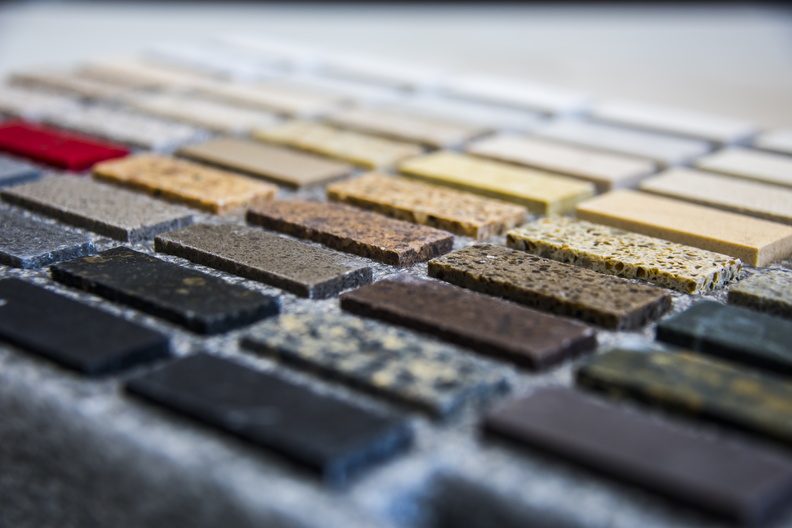
Quartz is engineered, not quarried. Crushed natural quartz crystals get bound together with resin and pigments under pressure.
That resin is doing a lot of heavy lifting. It fills the gaps, creating a non-porous surface that simply refuses to absorb liquids the way granite or marble will.
Natural stone has tiny pores running through it. Micro-cracks too. Wine, oil, beet juice, they find those gaps quickly and settle in. Quartz just doesn’t work that way. Not at the same level, anyway.
What Gives Quartz Its Stain Resistance:
• Non-porous surface that stops liquid absorption at the source
• Resin binders work from within to seal the material.
• Uniform structure with no random weak spots or natural veining prone to cracking
• Zero sealing is needed, which sets it apart from granite and marble
What Can Actually Stain Quartz?
People are sometimes caught off guard by this part. Quartz is tough, but not untouchable. A handful of substances can cause real surface damage if given enough time to sit.
Things Worth Watching:
• Permanent markers or ink left sitting without being wiped.
• Strong chemicals, including bleach, heavy-duty oven cleaners, or paint removers
• Deeply pigmented foods like turmeric, red wine, or beet juice (the overnight kind of spill, not the quick splash)
• Direct heat from hot pans placed straight onto the surface (not technically a stain, but the discoloration it causes looks just as bad)
Time is the real variable here. A spill wiped up in five minutes? Rarely a problem. A red wine glass forgotten on a pale quartz surface until morning? That’s where things get complicated.
Keeping Your Quartz in Good Shape
Maintenance for quartz is refreshingly straightforward. Nothing fussy, nothing time-consuming.
Daily Habits That Help:
• Wipe spills right away using a soft cloth or paper towel
• Mild dish soap with warm water handles most everyday cleaning
• Avoid abrasive scrubbers; they gradually dull the surface finish
• Use cutting boards consistently to prevent scratching
Things to Steer Clear Of:
• Chemical cleaners with high or very low pH levels
• Hot pots or pans placed directly on the surface without a trivet underneath
• Treating the countertop like a cutting board regularly
Stick to these basics, and quartz countertops hold up beautifully for years. It’s honestly one of the big reasons they stay so popular in kitchens and bathrooms throughout Brevard County.
Finding the Right Fit for Your Home
At Mayan Stonecrafters, the team takes time to understand what each client actually needs, not just what looks nice in a photo. Quartz, granite, marble, quartzite; each material has genuine strengths. Knowing which one suits your lifestyle makes all the difference.
With over a decade serving Brevard County, Mayan Stonecrafters brings real hands-on experience to every project, whether it’s a full kitchen renovation or a straightforward bathroom countertop upgrade.
A Practical Choice That Earns Its Place
Quartz countertops don’t stain easily with regular, basic care. They are among the most durable and low-maintenance surfaces on the market today, built for kitchens that actually get used. Non-porous by nature, simple to maintain, and built to last.
The countertop you choose shapes your kitchen every single day. Pick one that keeps up.
Comments